Choosing Your Topic
1. Research Artifact
2. Research Question
or
1. Research Question
2. Research Artifact
You can start with either an artifact (or an area of interest) or a research question; in the end you need both to be formulated for your topic
Research Question
Ultimate goal: Unpacking the underlying messages in popular culture texts.
Values? Norms? Expectations?
What does popular culture have to say about an issue or theme in society?
Narrow down! - 6-8 page paper; not 2 pages nor 40 pages
Research Artifact
- An argument or discussion (political, scientific, cultural)
- A work of literature (story, play, novel)
- A film, TV show, animated feature, etc.
- A song, album, music video, podcast, etc.
- An interactive multimedia artifact (website, video game, DVD menu, etc.)
- An advertisement, poster, public service announcement (TV, web-based, radio, etc.)
- A product design or package, a fashion item or trend, a logo
Topic Examples
1. Scope too broad:
Barack Obama's rhetorical appeal
Violence in Video Games
Origins of sexism in popular culture
Major themes in Harry Potter series
Death metal
Ads that make us buy Coke
Problem:
> poorly-defined research question
> little effort to think of an initial answer
2. Still too broad (but better):
Obama's use of ethos
Violence in First Person Shooters
Sexist stereotypes in Sitcoms
Coming-of-age themes in Harry Potter
Progressive melodic death metal
Why Coke's Christmas ads are effective
Problem:
> missing either concrete research questions or artifacts, no definite approach
3. Specific but perhaps too ambitious:
Obama's use of ethos to propose jobs plans in Sept 8th speech to congress
Narratives rationalizing causes of war in current-generation FPS games
Social norms of gender vs. female characters in Modern Family
Harry Potter as flawed role model for teen-to-adult emotional transitions
Progressive melodic death metal and alternative views on grief & mortality
Penguins and polar bears: emotional appeal of animated animals in Coke marketing
Problem:
>research question or artifacts too broad, approach too complex
4. Not ambitious enough:
Obama's use of ethos through appeal to democratic authority in BBC interview
Why Modern Warfare 2's “No Russian” level caused a media uproar
Gloria and Latino female stereotypes in Modern Family
Harry vs. Voldemort – hero and villain stereotypes
Opeth's “Bleak” (song) and alternative views on grief & mortality within death metal
History of polar bears in Coke advertisement
Problem:
>research question or artifacts too narrow; conclusions too self-evident
5. Good topics:
Obama's use of bipartisan appeals in Sept 8th speech as example of effective ethos
Dramatistic analysis of justification for war in Modern Warfare 3 (single player)
Social norms of marriage vs. female characters in first season of Modern Family
The character of Harry and dramatistic absolution of flaws through self-sacrifice
Opeth's “Blackwater Park” (album) and alternative views on grief & mortality
Coke's penguins vs. polar bears – emotional appeal through recognizable narratives of overcoming difference
Checklist:
>specific research question, well-defined artifact(s), approach identified
Essay Proposals
A proposal is meant to convince your audience (me) that your chosen topic is acceptable for credit in this course
You do so by demonstrating a specific research question, artifact(s) and approach
Not set in stone!
Topic can be adjusted and even changed later (in consultation with me)
Proposal Structure:
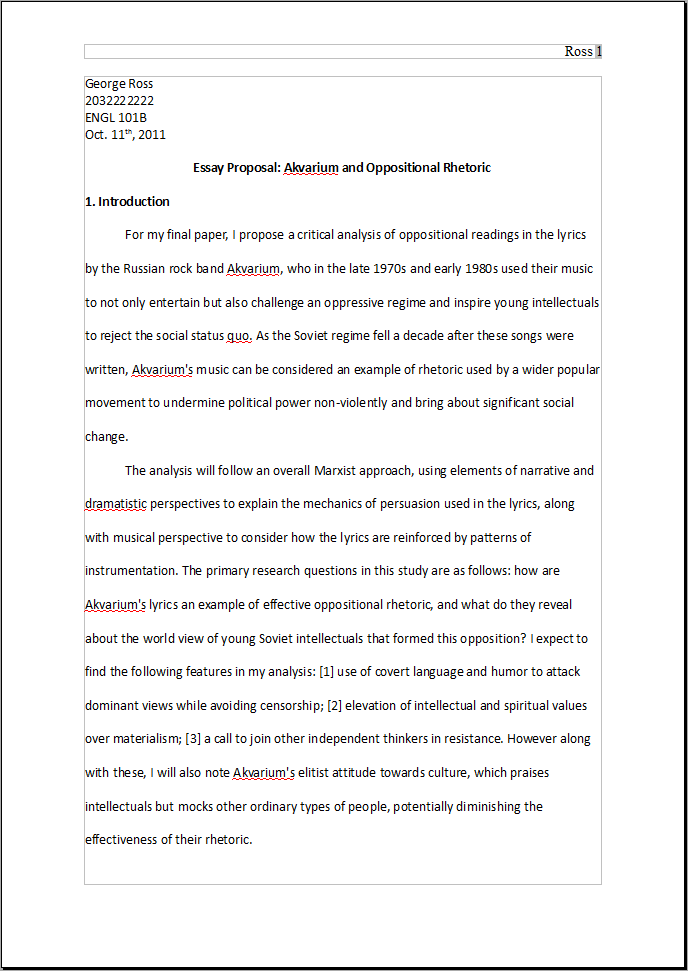
1. Introduction
-Should include a statement of intent like: “For my final essay, I would like to conduct a rhetorical analysis of...” or “I propose to analyze [x] using [y] approach”
-Should include your main research question
-Convince me (as your reader) that your research question is (a) interesting and original; (b) answerable and practical
-Should include a quick preview of your main points/possible areas to explore
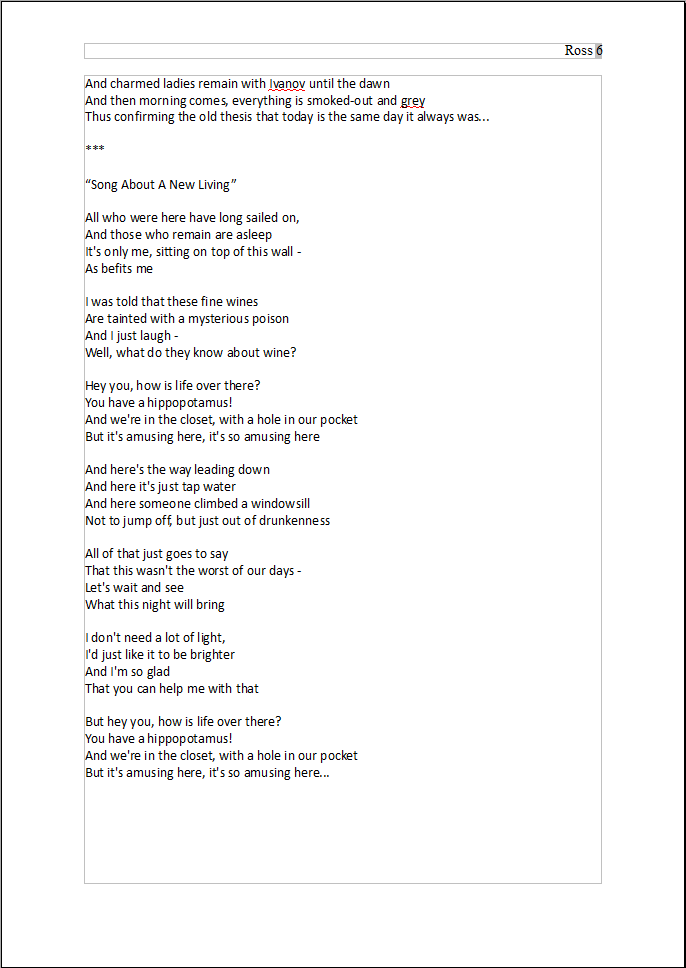
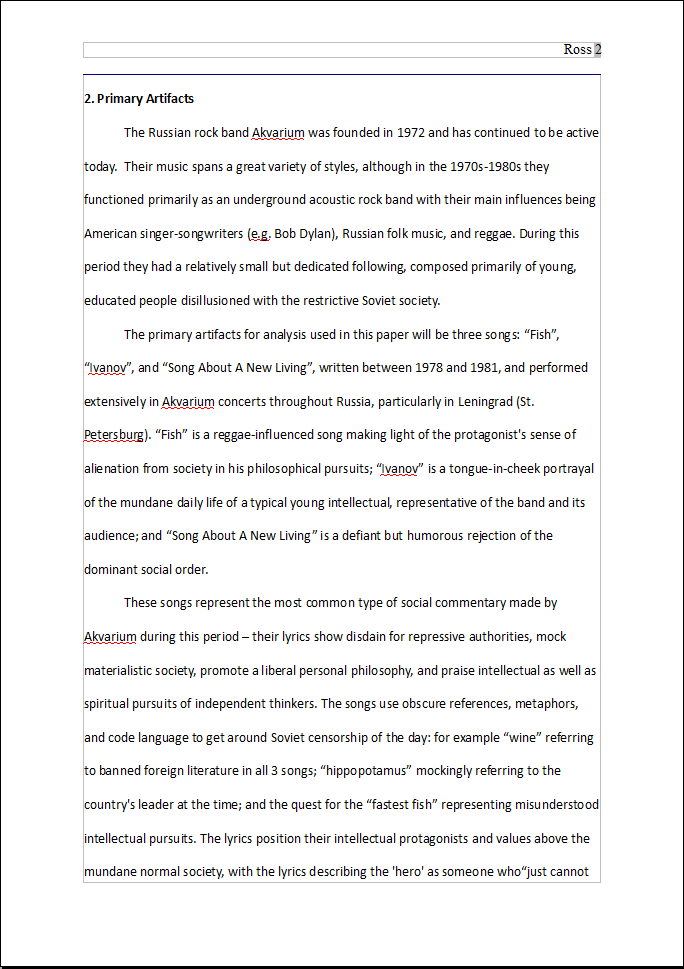
2. Primary Artifact(s)
-Should include a brief description of the content and interesting features of the artifact(s) you plan to analyze. Note any arguments that your artifact seems to be making.
-Provide a brief description of the context for the artifact
-Be realistic and remember to choose a specific enough artifact, text, or features of several texts that you will analyze. Convince me (as your reader) that this is a manageable, interesting and culturally-valuable artifact – not merely something you like!
3. Methodology
-Describe which rhetorical approaches and methods you plan to use. Refer to your textbook chapters for possible options. Remember that you can choose more than one approach, but don't take on too many!
-Explain how/why your methodology works for the artifact(s) you chose, and how it will help you answer your research question and draw practical conclusions
-If you are not fully familiar with the research method, mention what else you might need to learn to complete your methodology!
4. Additional Sources
-Describe any outside sources that you think may be useful for your project. I encourage you to do at least some outside research.
-If you already consulted some sources (e.g. articles online; reference sources; readings on rhetorical methods), list them and explain how these may be valuable
-If you do not have external sources yet, note the kinds of research you might consider as you write your paper.
5. Conclusion
-Summarize what you expect to discover or argue through your paper. If you already have a tentative argument to make about your source, be sure to mention it!
-Consider the implications of what your conclusion about your artifact(s) might have
-Restate why you believe this will make an interesting, original, convincing paper
Your Essay Proposal:
500-1000 words, formal text, Due Oct. 13th



No comments:
Post a Comment